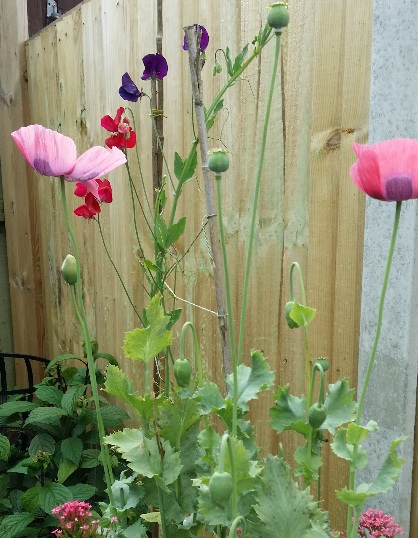


I am not a tidy person. I have tried all my life and have had some semblance of success, but it does not come naturally. I love gardening, which can be a very messy hobby. The most sensible type of garden for me is a cottage garden. But it is not just that it is the most sensible option. I love the whole ethos of the cottage garden, and the history of the gardens of the working classes in Britain is of particular interest to me.
In the beginning
Historically, the gardens of the working classes would have, of necessity, been productive plots, primarily growing food for the family. If funds permitted, there may have been chickens and even a pig, but primarily, the garden would have been a vegetable plot in which to grow the peas, beans, and cabbages. Potatoes not becoming a staple in Britain until the 18th century. Wild flowers may have been dug up, but very little space would have been allocated to them in the garden. There would not have been the funds available to buy plants, and all plants in the garden would have to be useful to the cottager to improve his life. This could be by using medicinal or perfumed plants. Strewing herbs with their astringent and insecticidal properties, such as sweet woodruff with its freshly mown grass fragrance, could have been grown to scatter on the floor of the home.
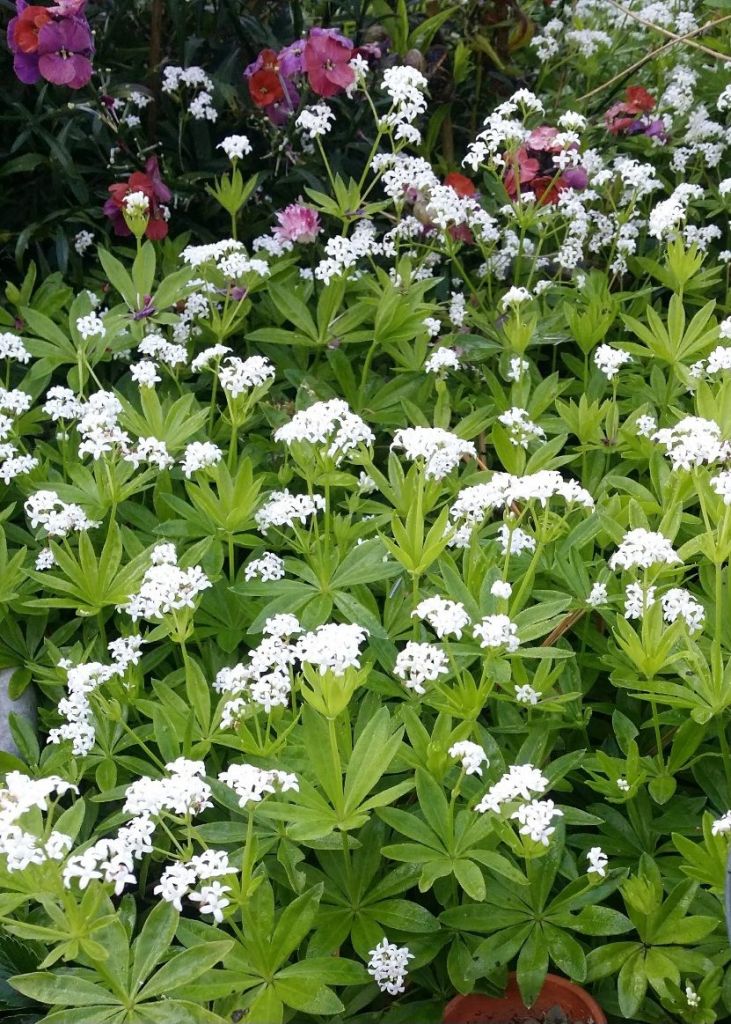
Many of these plants have pretty flowers that would have added colour to the garden. Borage dates from late medieval times in the UK with its beautiful blue flowers, Valerian with its pink spires, or the wild Foxglove with its shooting purple spears self seeded around the garden from the woodlands nearby. All these are known to be medicinal herbs. In my garden, I have both Foxgloves and Valerian. Although my foxgloves are not the truly wild form but are cultivated from selected seed.

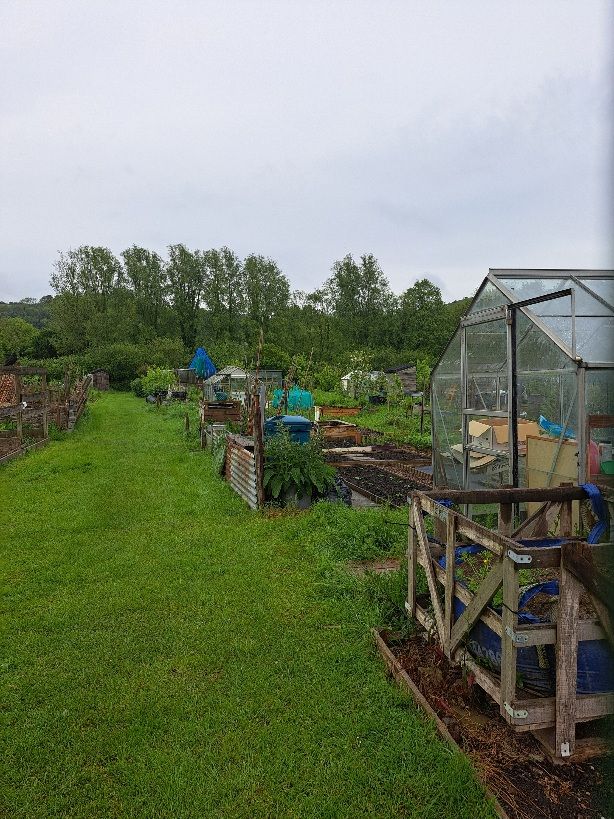
I suppose in the 21st century The allotment is the closest we get to the historic cottage garden although any herbs grown are usually intended for culinary purposes.
It was not until Tudor Times with the long reign of Queen Elizabeth 1 that gardens began to change and become more like the cottage gardens that we recognise today. My interest in cottage gardens begins with this period and the flowers that date from then. The cottage flowers that we know and love like Sweet William originating from Southern Europe, dates from the 1570s.

or Honesty also from Southern Europe and again arriving in Britain in the 1570s. The English Pot Marigold is also another traditional cottage flower, with medicinal uses that would have been allowed to self seed as is the Forget me Not.

The cottage garden would have been full of self seeders. There may have been fruit trees, but the only ornamental tree would likely have been a Lilac, which would have been prized for its scent.
The traditional cottage garden from this time would have been quite bare in the winter when the flowers had died back.
The Tide Turns on subsistence cottage gardens
By the 18th century and the time of Capability Brown, the landed gentry were reshaping the countryside into vast nature parks. The flowers dug up from their gardens were thankfully finding their way into the working class cottages to be preserved for posterity.
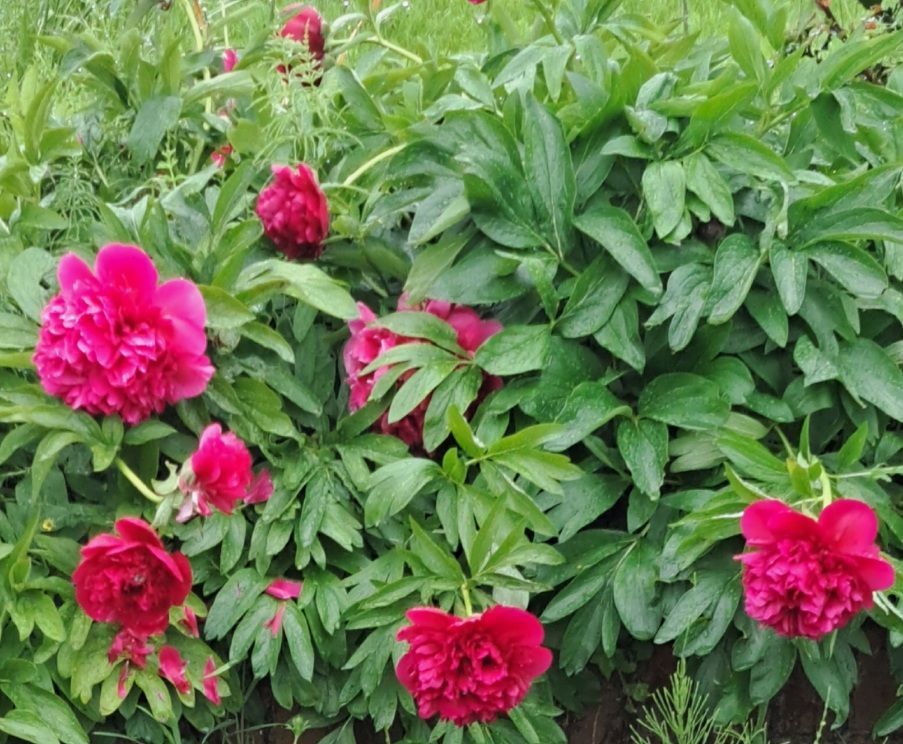
But during, the 19th century, the tide was turning, and ornamentals were being grown alongside the food crops in the cottage garden. Authors such as William Robinson and Gertrude Jekyll were writing their gardening books about cottage gardening and a more naturalistic approach than the fashionable carpet bedding. But in the cottage gardens, the flowers like the Cottage Garden Pink had been decorating the garden for years as had the Peony
Ìnside the cottage on the deep windowsills, the gardener could place a pot of Pelargonium, and honeysuckle could be grown over the door. The fruit trees grown behind the cottage would have provided the shade necessary for the early spring native self seeders such as snowdrops, winter aconites, and primroses, which would have been followed by the foxgloves and bluebells. In my garden, summertime self seeders such as Rose Campion carry the torch for cottages gardens.

There was no formal design to a cottage garden. All the flowers in the front garden would have been crammed together to support each other. Flowers such as Hollyhocks, Columbines, Roses, and Nigella. The path would have been edged with cheerful flowers such as the double daisies flowering early in the year and a patch under the window would support the scented flowers like Mignonette, pinks, Sweet Williams and sweet Rocket.

In the back garden the path would have run from the house down the middle of the garden to the back of the garden where the outhouse and animal housing would be situated, with the rows of vegetables, raspberry canes and fruit bushes together with the necessary muck heap to improve the soil.
The area closest to the house would be the herb garden used for culinary herbs such as Thyme, Parsley, and sage or medicinal herbs such as Rue and Chamomile. Lavender would have been grown for its insecticidal properties and to perfume the linens and clothes.

By the twentieth century and the two world wars, the productive garden was again necessary. The Second World War and its dig for victory campaign encouraged everybody to dig up their flowers and grow vegetables.
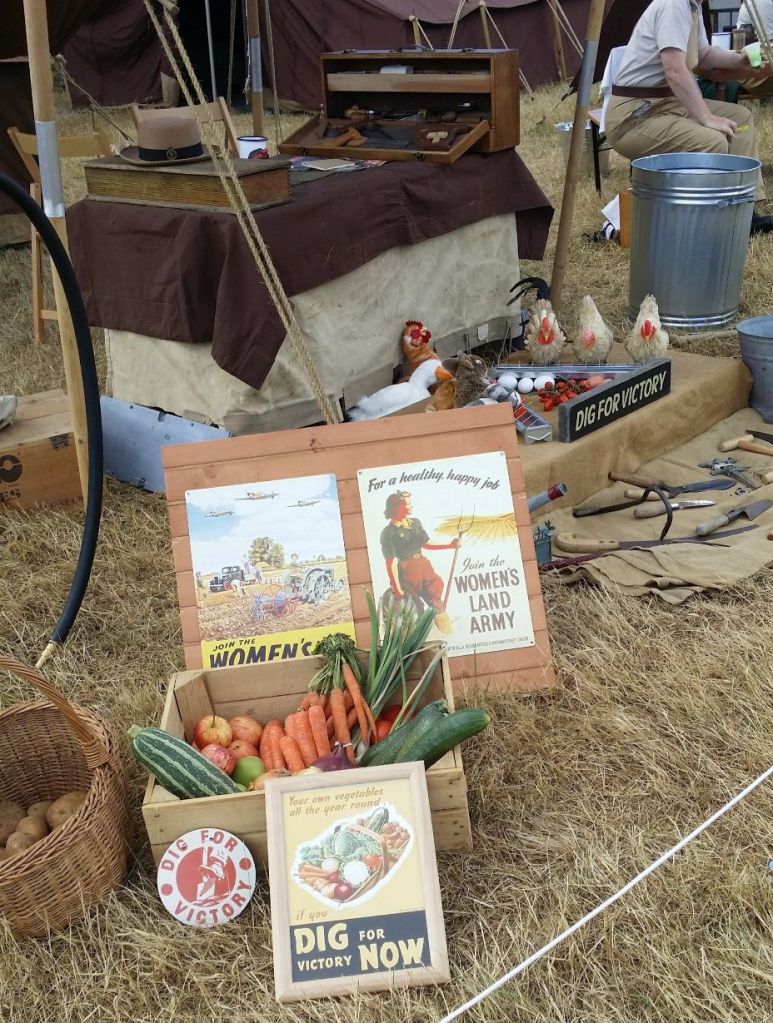
Lawns and herbaceous beds were dug up and replaced with vegetables. Some flowers were necessarily retained to encourage the bees and other pollinators.
My modern cottage garden
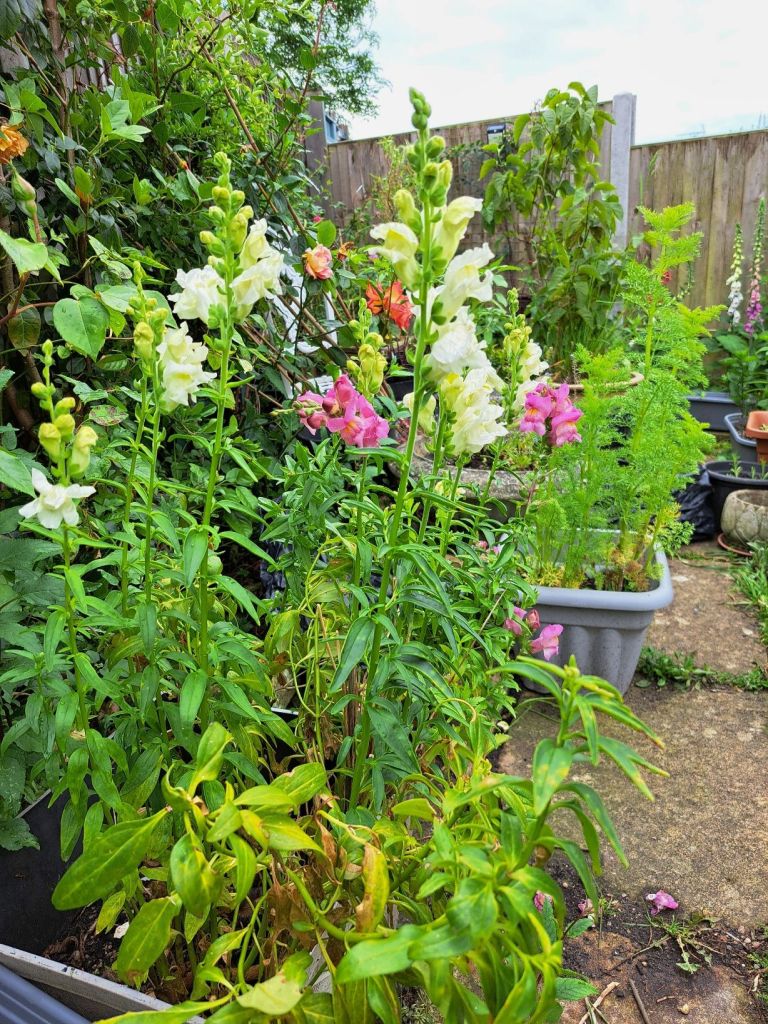
In the 21st century, the modern cottage garden has changed, and the design in most cases is purely for pleasure and to relieve the stresses of modern-day life. Nowadays, the cottage garden can include the exotic ornamentals denied to our forefathers. modern breeding and hybridising has allowed the production of disease resistant strains of flowers such as Hollyhocks and Snapdragons.
There is no need to grow our vegetables and fruit when they can be purchased so easily from the supermarket. Yet, people still want to grow their fruit and vegetables, I myself have had my name on an allotment waiting list now for 3 years.
So the cottage garden lives on in both my gardens and throughout Great Britain to provide both beautiful flowers and vegetables and fruit for the kitchen, cut flowers for the home and a refuge from modern life.
 Seeds and Seams
Leave a comment